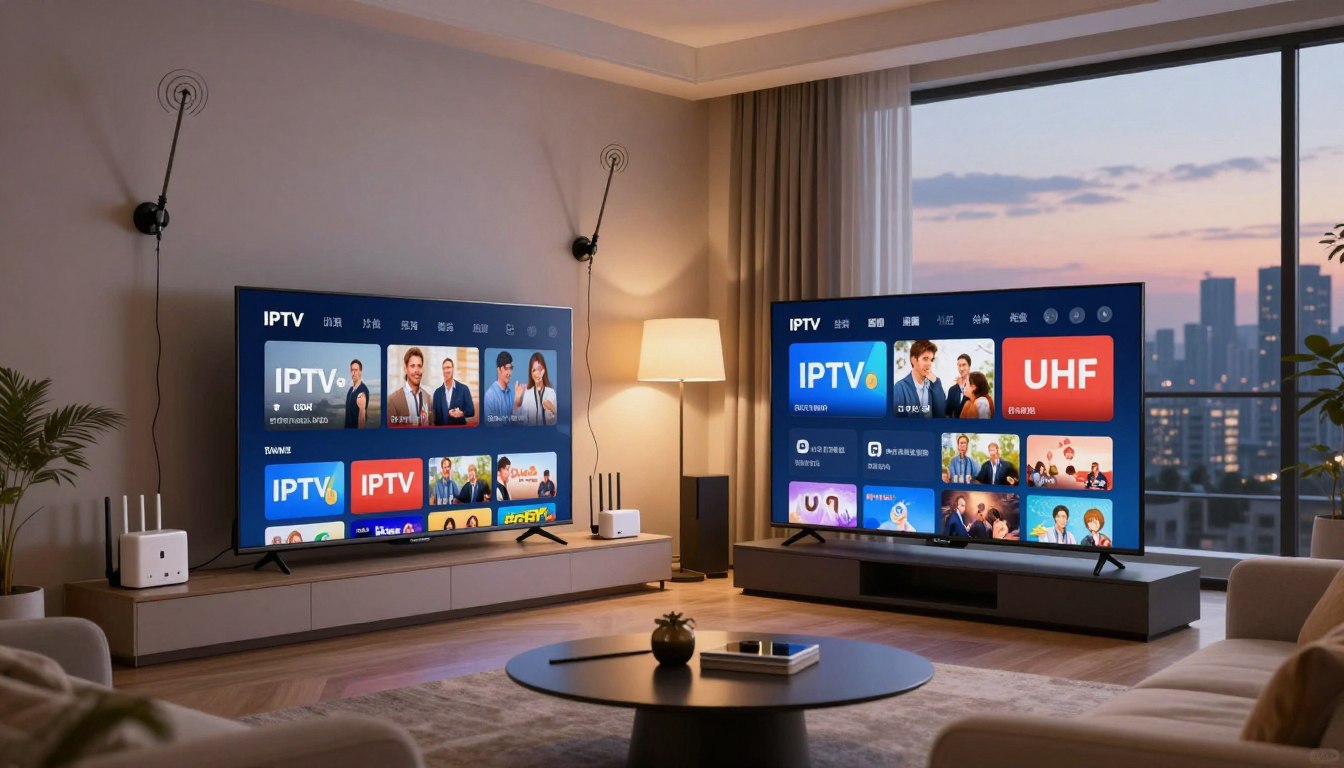
Television viewing habits across the United States are changing rapidly. Many households are moving away from traditional cable and satellite subscriptions to embrace more flexible digital solutions. You might find yourself wondering, What Is IPTV, and how it transforms your daily entertainment experience.
At its core, this technology delivers television content through internet protocols rather than standard broadcast signals. By utilizing your existing broadband connection, it offers a seamless and personalized way to watch your favorite shows on demand. This shift represents a major leap forward in how we consume media at home.
Understanding What Is IPTV helps you take full control of your viewing schedule. In this guide, we will explore the mechanics behind this innovation and why it has become the preferred choice for millions of Americans. Get ready to discover a smarter way to enjoy your media.
Key Takeaways
- IPTV uses internet protocols to stream television content directly to your devices.
- It serves as a modern, flexible alternative to traditional cable and satellite services.
- Viewers gain access to on-demand content, allowing for a more personalized experience.
- The technology relies on a stable broadband connection to ensure high-quality playback.
- This shift is rapidly changing the landscape of home entertainment across the United States.
Defining What Is IPTV and How It Functions
If you have ever wondered how your favorite shows travel across the internet to your screen, you are asking about What Is IPTV. At its core, this service delivers television content through a private or public network rather than traditional broadcast methods. It offers a flexible way to watch media on your own terms.
Internet Protocol Television is not just another way to watch TV; it is a complete shift in how data is handled. Instead of sending signals through a constant stream, it breaks video down into small digital packets. These packets travel across your internet connection and reassemble on your device to create a smooth viewing experience.

The Core Technology Behind Internet Protocol Television
The backbone of this system relies on packet-switched network architecture. Unlike older systems that broadcast everything at once, IPTV technology only sends the specific content you request. This efficiency allows for high-quality video delivery without wasting bandwidth on channels you are not watching.
Your home router acts as the gateway for these data packets. Once the signal reaches your device, specialized software decodes the information in real-time. This process ensures that your stream remains stable even when network traffic fluctuates.
Distinguishing IPTV from Traditional Cable and Satellite
Traditional cable and satellite services rely on coaxial cables or satellite dishes to push a constant feed of channels to your home. In contrast, IPTV uses your existing broadband connection to pull content directly from a server. This fundamental difference allows for features like on-demand viewing and interactive menus.
The following table highlights the primary differences between these delivery methods:
| Feature | Traditional Cable | IPTV |
|---|---|---|
| Delivery Method | Coaxial Cable | Broadband Internet |
| Content Control | Fixed Schedule | On-Demand/Interactive |
| Signal Type | Analog/Digital Broadcast | Packet-Switched Data |
| Device Flexibility | Limited to TV | Multi-Device Support |
The Evolution of Television Delivery Systems
Television delivery has traveled a long road from the fuzzy analog signals of the past to today’s crisp digital television streams. This transition represents more than just a change in technology; it marks a fundamental shift in how we interact with our favorite media.

From Analog Signals to Digital Streaming
In the early days, viewers relied on terrestrial antennas to catch broadcast signals. These analog transmissions were often prone to interference, resulting in “snowy” pictures or ghosting effects. The move to digital television standards changed everything by converting video into data packets that could be transmitted with much higher efficiency.
This digital shift allowed for higher resolution and clearer audio quality. It also paved the way for the internet to become the primary vehicle for content delivery. Today, streaming services utilize high-speed connections to bypass traditional broadcast limitations entirely.
The Shift Toward On-Demand Content Consumption
For generations, the television schedule dictated our daily lives. If you missed a show at its designated time, you simply missed it. The rise of on-demand consumption has effectively ended the era of linear programming dominance.
Modern viewers now expect the freedom to watch what they want, whenever they want. This flexibility is the hallmark of the current entertainment landscape. The following table highlights the key differences between these two eras of television:
| Feature | Traditional TV | Modern IPTV |
|---|---|---|
| Delivery Method | Cable/Satellite/Antenna | Internet Protocol |
| Viewing Schedule | Fixed/Linear | On-Demand/Flexible |
| Control | Limited | High (Pause/Rewind) |
| Content Access | Regional | Global |
By moving away from rigid broadcast schedules, the industry has empowered the consumer. Digital television continues to evolve, ensuring that our viewing habits remain as dynamic as the technology itself.
How IPTV Services Deliver Content to Your Home
Behind every smooth stream you watch lies a complex web of technology designed to bring content directly to your living room. While the user interface might look simple, the backend processes powering IPTV services are incredibly sophisticated. These systems work in perfect harmony to ensure that your favorite programs arrive on your screen without any annoying interruptions.

The Role of Content Delivery Networks
A Content Delivery Network, or CDN, acts as the backbone for distributing video data across the globe. By storing copies of content on servers located closer to your physical location, these networks significantly reduce latency. This geographic distribution is essential for preventing buffering during high-traffic events like live sports or season finales.
Without this advanced IPTV technology, your device would have to pull data from a single, distant server. This would lead to slow loading times and poor video quality. Instead, CDNs ensure that the data travels the shortest possible distance to reach your home network.
Understanding Middleware and Video Servers
Middleware serves as the brain of the entire operation, acting as the bridge between the user and the content. It manages authentication, handles channel switching, and ensures that your personalized recommendations appear correctly. This layer is vital for maintaining a seamless and user-friendly experience across different platforms.
Video servers work alongside middleware to store and stream the actual media files. These powerful machines are optimized to handle massive amounts of concurrent traffic. They ensure that the video stream remains stable, even when millions of viewers are accessing the same content simultaneously.
The Importance of High-Speed Internet Infrastructure
A reliable viewing experience depends heavily on the quality of your local and regional IPTV infrastructure. High-speed internet acts as the highway that carries data packets from the provider to your home router. If this connection is weak or congested, even the best streaming technology will struggle to deliver a clear picture.
Modern fiber-optic and high-speed cable connections provide the necessary bandwidth to support high-definition and 4K streaming. Investing in a stable internet plan is often the most important step for users who want to enjoy the full potential of their digital television setup.
| Component | Primary Function | User Benefit |
|---|---|---|
| Content Delivery Network | Data distribution | Reduced buffering |
| Middleware | System management | Smooth navigation |
| Video Servers | Content storage | High-quality playback |
| Internet Infrastructure | Data transmission | Consistent connectivity |
Key Features That Define the Modern IPTV Experience
Today’s entertainment landscape is defined by flexibility, interactivity, and total control over your viewing habits. Unlike legacy systems, modern television delivery allows you to curate your own media library. This shift has turned the living room into a dynamic hub of personalized content.
Video on Demand and Catch-Up TV Capabilities
The most significant advantage of this technology is the ability to access Video on demand (VOD) at any time. You no longer need to worry about missing a premiere or rushing home to catch a live broadcast. With VOD, your favorite movies and series are available at the click of a button.
Catch-up TV services further enhance this convenience by storing broadcast content for a set period. If you missed a show earlier in the week, you can simply navigate to the archive and start watching. This freedom of choice ensures that your schedule never dictates your entertainment options.
Interactive Features and User Personalization
Modern platforms utilize advanced algorithms to learn your preferences over time. By analyzing your viewing history, these systems provide tailored recommendations that help you discover new shows you are likely to enjoy. This level of personalization makes finding high-quality content faster and more intuitive.
Interactivity goes beyond simple suggestions, as many platforms now include features like:
- Real-time social media integration for live discussions.
- Interactive menus that allow for multi-angle camera views.
- Integrated shopping options for products seen on screen.
Multi-Device Support and Portability
The rise of Streaming media has effectively untethered television from the living room wall. You can now start a program on your smart TV and finish it on your smartphone during your commute. This seamless transition between devices is a hallmark of the modern viewing experience.
Portability ensures that your content library travels with you wherever you go. Whether you are using a tablet, a laptop, or a dedicated streaming stick, the interface remains consistent and easy to navigate. True mobility means you never have to leave your favorite entertainment behind.
Types of IPTV Services Available in the United States
Navigating the variety of IPTV services available today can feel overwhelming for the average viewer. The United States market has matured into a complex ecosystem where different platforms cater to specific viewing habits and budgets. By understanding these core categories, you can make an informed decision about which setup fits your home best.
Subscription-Based Video on Demand Services
These platforms focus primarily on on-demand libraries rather than scheduled broadcasts. Users pay a recurring monthly fee to access a vast catalog of movies, documentaries, and original series. This model is perfect for viewers who prefer to watch content on their own schedule without worrying about time slots.
- Unlimited access to content libraries.
- Ad-free viewing options for premium tiers.
- Ability to download content for offline viewing.
Live TV Streaming Platforms
If you are not ready to give up the traditional broadcast experience, live TV streaming is the ideal solution. These services replicate the cable experience by providing access to local channels, sports networks, and news outlets over your internet connection. Many top IPTV providers in this space offer cloud-based DVR features, allowing you to record your favorite shows for later.
Hybrid Models Combining Live and Recorded Content
Many modern platforms now offer a hybrid approach to satisfy both casual and dedicated viewers. These services provide a mix of video on demand content alongside a selection of live channels. This flexibility makes them highly attractive for households with diverse entertainment preferences.
The following table highlights the primary differences between these service models to help you compare your options:
| Service Type | Primary Focus | Best For |
|---|---|---|
| VOD Platforms | Library Content | Binge-watchers |
| Live Streaming | Real-time Broadcasts | Sports and News fans |
| Hybrid Models | Balanced Mix | Entire Families |
Choosing between these IPTV providers often comes down to your specific needs. Whether you prioritize the latest blockbuster movies or need to catch the big game live, there is a digital solution available to meet your requirements.
Hardware Requirements for a Seamless Viewing Experience
Achieving a smooth viewing experience depends heavily on the equipment you select for your home. Whether you are a casual viewer or a dedicated fan of high-definition content, your IPTV setup plays a vital role in how well your media performs. Selecting the right streaming media hardware ensures that you avoid frustrating lag and enjoy crisp, clear visuals.
Dedicated IPTV Set-Top Boxes
Dedicated set-top boxes are often considered the gold standard for power users. These devices are built specifically to handle high-bitrate streams, providing a stable and reliable connection that many other devices struggle to match. By investing in quality IPTV hardware, you gain access to faster processors and better thermal management.
These boxes usually offer more ports, such as Ethernet jacks, which provide a more consistent connection than Wi-Fi. If you prioritize uninterrupted playback, a dedicated box is likely your best choice.
Smart TV Integration and Native Applications
Many modern televisions come with built-in operating systems that allow you to download Smart TV apps directly. This approach is incredibly convenient because it eliminates the need for extra cables or external devices cluttering your entertainment center. You simply use your existing remote to navigate your favorite content.
While this method is user-friendly, it is important to ensure your television has enough processing power to handle modern interfaces. Lower-end models might experience slowdowns when running complex applications, so check your TV specifications before relying solely on native software.
Streaming Sticks and Media Players
Streaming sticks and compact media players offer a perfect balance of portability and performance. These small devices plug directly into your HDMI port, making them an excellent solution for secondary rooms or travel. They are often the most cost-effective way to upgrade an older television into a modern streaming media hub.
Most of these players support 4K resolution and offer intuitive interfaces that make your IPTV setup feel modern and fast. They are ideal for users who want a simple, plug-and-play experience without the complexity of larger hardware.
| Device Type | Best For | Performance | Portability |
|---|---|---|---|
| Set-Top Box | Power Users | High | Low |
| Smart TV Apps | Casual Viewers | Medium | N/A |
| Streaming Stick | Travel/Secondary | High | High |
Ultimately, the best choice depends on your specific needs and technical comfort level. Whether you choose the raw power of a dedicated box or the simplicity of Smart TV apps, ensuring your network is optimized remains the most important step for a seamless experience.
Comparing IPTV Against Traditional Cable Providers
The landscape of home entertainment has shifted dramatically as viewers move away from legacy cable providers. Understanding the core IPTV benefits is vital for anyone looking to modernize their home setup. When analyzing IPTV vs cable, the primary differences lie in how data reaches your screen and how much control you have over your monthly bill.
Cost Efficiency and Subscription Flexibility
One of the biggest drivers of cord-cutting is the desire to escape rigid, long-term contracts. Traditional cable often forces users into bundled packages that include channels they never watch. In contrast, digital services typically offer month-to-month billing, allowing you to cancel or change plans whenever you like.
This flexibility empowers consumers to pay only for the content they actually enjoy. By removing unnecessary equipment rental fees and hidden surcharges, many households find significant savings. Financial freedom is a major advantage of moving to a digital-first model.
Content Variety and Global Accessibility
Modern live TV streaming platforms break down the geographical barriers that once limited cable viewers. You can access niche international channels or local broadcasts from across the country with just a few clicks. This level of variety is rarely matched by standard cable providers, who are often restricted by regional licensing agreements.
- Access to global news and entertainment.
- On-demand libraries that grow daily.
- Personalized content recommendations based on your habits.
Reliability and Bandwidth Considerations
While digital services offer great features, they rely entirely on your home internet connection. Traditional cable uses a dedicated line, which can sometimes provide a more stable signal during peak hours. If your internet speed is low, you may experience buffering or quality drops during high-traffic periods.
| Feature | Traditional Cable | Modern IPTV |
|---|---|---|
| Contract | Long-term | Flexible/No-contract |
| Delivery | Dedicated Line | Internet-based |
| Pricing | Bundled/Fixed | Customizable |
To ensure a smooth experience, a high-speed, stable internet connection is essential. Investing in a quality router can help mitigate potential network congestion. By balancing your bandwidth needs, you can enjoy the best of what modern television has to offer.
Navigating the Legal Landscape of IPTV
The difference between authorized and unauthorized streaming services is more than just a price tag. Understanding the IPTV legal framework is essential for anyone looking to enjoy modern television without compromising their security or ethics.
Authorized Providers Versus Unauthorized Services
Authorized services operate through formal partnerships with content creators and broadcasters. These companies pay for the rights to distribute media, ensuring that the entire ecosystem remains sustainable. In contrast, unauthorized services often bypass these agreements, which can lead to sudden service shutdowns and potential security risks for users.
When you choose reputable IPTV providers, you are supporting the people who create your favorite shows. Unauthorized platforms frequently lack the infrastructure to protect your personal data, making them a risky choice for your home network.
Understanding Copyright and Licensing Agreements
Copyright laws exist to ensure that artists, writers, and producers receive fair compensation for their hard work. Licensing agreements dictate exactly how and where content can be shown to the public. When a service ignores these rules, they undermine the entire entertainment industry.
Staying within the bounds of IPTV legal standards means you are consuming content that has been cleared for distribution. This practice helps maintain the quality of production and encourages the creation of new, innovative programming for audiences everywhere.
How to Identify Legitimate IPTV Platforms
Identifying trustworthy IPTV providers is easier than you might think if you know what to look for. Legitimate services typically have a professional website, clear contact information, and transparent subscription terms. You should always be wary of platforms that offer “too good to be true” pricing or require payment through untraceable methods.
Always check if the service is available on official app stores like the Apple App Store or Google Play. If a service requires you to “sideload” suspicious files, it is often a red flag that the platform is not authorized. Use the following table to help distinguish between safe and risky options.
| Feature | Authorized Service | Unauthorized Service |
|---|---|---|
| Content Licensing | Fully Licensed | Often Pirated |
| Data Security | High Standards | Minimal/None |
| Customer Support | Reliable/Available | Non-existent |
| Service Stability | Consistent Uptime | Frequent Outages |
The Impact of IPTV on the Entertainment Industry
As viewers embrace new ways to watch, the entire landscape of professional entertainment is undergoing a massive transformation. The shift toward digital delivery systems has forced media companies to rethink their traditional business models entirely. Innovation is now the primary driver of success in this competitive market.
Changing Advertising Models and Targeted Marketing
Traditional television advertising often relied on broad demographics, but digital distribution changes the game. By leveraging user data, platforms can now deliver highly personalized advertisements that resonate with specific viewer interests. This precision allows brands to maximize their return on investment while providing a more relevant experience for the audience.
The core of these IPTV benefits lies in the ability to track engagement in real-time. Advertisers no longer have to guess if their message reached the right person. Instead, they receive actionable insights that help refine future campaigns and improve overall content delivery strategies.
The Rise of Cord-Cutting Trends in the United States
In the United States, the trend of cord-cutting has accelerated as households move away from expensive cable bundles. Consumers are increasingly choosing flexible, internet-based services that offer greater control over their monthly expenses. This migration represents a significant challenge for legacy providers who must now compete with agile streaming platforms.
Many users find that the IPTV benefits, such as on-demand access and multi-device support, far outweigh the limitations of traditional broadcast TV. As a result, the industry is seeing a permanent shift in how families consume their favorite shows and movies. This cultural change is reshaping the financial foundations of major media networks.
How Content Creators Are Adapting to Digital Distribution
Content creators are also evolving to meet the demands of a fragmented digital landscape. Production workflows have become more streamlined to support the rapid release of content across various streaming services. Creators now focus on building direct relationships with their viewers through social media and interactive platforms.
The era of cord-cutting has encouraged creators to experiment with new formats and storytelling techniques. By bypassing traditional gatekeepers, they can reach global audiences more effectively than ever before. This digital shift ensures that high-quality content remains accessible to everyone, regardless of their location or viewing habits.
Technical Challenges and Troubleshooting Common Issues
Even the best streaming setups can occasionally run into technical hurdles that disrupt your viewing experience. While a proper IPTV setup is designed for convenience, digital signals can sometimes face interference. Understanding how to address these minor glitches ensures you spend more time watching and less time waiting for the screen to load.
Managing Buffering and Network Congestion
Buffering is often the result of network congestion, especially during peak evening hours when many households are online. When your internet bandwidth is shared among multiple devices, your streaming quality may suffer. Prioritizing your streaming device on your home network can help alleviate these interruptions significantly.
If you notice frequent pauses, try disconnecting other high-bandwidth devices like gaming consoles or secondary computers. Effective IPTV troubleshooting often starts by ensuring your connection is stable and not overloaded by background traffic. A wired Ethernet connection is almost always more reliable than a standard Wi-Fi signal for high-definition content.
Optimizing Router Settings for Better Streaming
Your router acts as the gateway for all your digital entertainment. To get the best performance, consider logging into your router’s administrative panel to adjust specific settings. Enabling Quality of Service (QoS) features allows you to designate your streaming box as a high-priority device.
Updating your router’s firmware is another essential step to maintain compatibility with modern streaming protocols. If your router supports dual-band frequencies, try connecting your device to the 5GHz band. This frequency typically offers faster speeds and less interference than the older 2.4GHz band.
Resolving Compatibility Issues Between Devices
Sometimes, you might encounter errors when switching between different hardware or operating systems. Compatibility issues often stem from outdated applications or software versions that no longer sync correctly with the service provider. Always check for available updates on your specific device to ensure you are running the latest version of your streaming app.
If a specific app continues to crash, clearing the cache or reinstalling the software can often resolve the conflict. Below is a quick reference guide to help you identify and fix common problems quickly.
| Issue | Primary Cause | Recommended Fix |
|---|---|---|
| Constant Buffering | Network Congestion | Use Ethernet cable |
| App Crashing | Outdated Software | Update or Reinstall |
| Low Resolution | Bandwidth Limits | Check Router QoS |
| Login Errors | Account Sync | Clear App Cache |
By following these basic IPTV troubleshooting steps, you can maintain a smooth and enjoyable viewing experience. Most technical difficulties are minor and can be fixed with just a few simple adjustments to your home network or device settings.
Future Trends Shaping the IPTV Market
As we peer into the horizon, several key advancements are set to reshape the entire IPTV ecosystem. The Future of TV is no longer just about broadcasting content; it is about creating a highly intuitive and immersive environment for every user. These upcoming changes promise to bridge the gap between traditional viewing habits and modern digital demands.
The Integration of Artificial Intelligence in Recommendations
Artificial intelligence is quickly becoming the backbone of personalized entertainment. By analyzing your viewing history and preferences, AI algorithms can suggest content that aligns perfectly with your interests.
This technology ensures that you spend less time scrolling through menus and more time enjoying your favorite shows. Future platforms will likely feature:
- Predictive content curation based on real-time mood analysis.
- Automated highlight reels for sports and live events.
- Voice-activated interfaces that learn your specific language patterns.
Advancements in 4K and 8K Streaming Quality
Visual fidelity is reaching new heights as bandwidth capabilities expand across the globe. The transition toward 4K streaming is already well underway, providing viewers with crystal-clear images and vibrant colors.
Looking forward, the industry is preparing for the widespread adoption of 8K resolution. This leap in quality will transform home living rooms into true cinematic experiences, offering depth and detail that were previously impossible to achieve over standard internet connections.
The Role of 5G in Mobile IPTV Adoption
The rollout of 5G networks is a game-changer for mobile accessibility. With significantly lower latency and faster download speeds, 5G allows users to stream high-definition content on the go without the fear of constant buffering.
This infrastructure shift ensures that the Future of TV remains portable and reliable. Whether you are commuting or traveling, high-speed mobile connectivity guarantees that your entertainment follows you wherever you go, solidifying the shift toward a truly mobile-first viewing culture.
Conclusion
Television consumption in the United States has undergone a massive shift. Modern viewers now demand flexibility, speed, and high-quality content at their fingertips. Internet Protocol Television represents the pinnacle of this digital transformation.
Choosing legitimate services remains the best way to protect your data and ensure a stable connection. Platforms like YouTube TV, Hulu + Live TV, and Sling TV offer reliable access to your favorite shows. These providers respect copyright laws while delivering a seamless experience across your devices.
Understanding your home network requirements helps you get the most out of your subscription. A strong internet connection and compatible hardware turn your living room into a personalized media hub. You now hold the power to curate your own viewing schedule with ease.
Embrace these advancements to take full control of your entertainment journey. The landscape of digital media continues to grow, offering more variety than ever before. Start exploring these options today to elevate your daily viewing habits.
FAQ
What exactly is IPTV and how does it differ from my current cable service?
IPTV stands for Internet Protocol Television. Unlike traditional cable or satellite that uses coaxial cables or radio waves, IPTV delivers content through your high-speed internet connection using a packet-switched network. This means your TV shows and movies are delivered as data packets, allowing for much greater flexibility and a more interactive experience than legacy systems.
Do I need special hardware to start using IPTV services?
You have several great options! Most modern viewers use Smart TVs with native applications, but you can also use streaming sticks like the Amazon Fire Stick or Roku. For a more robust setup, some users prefer dedicated IPTV set-top boxes or media players like Apple TV to ensure a responsive user interface and high-definition playback.
What are the different types of IPTV services I can subscribe to in the U.S.?
There are three main categories: Subscription Video on Demand (SVOD) like Netflix or Disney+, Live IPTV platforms such as YouTube TV or Fubo, and Hybrid Models like Hulu + Live TV that combine real-time broadcasts with a massive library of recorded content.
Is it legal to use IPTV services in the United States?
Yes, as long as you are using authorized providers. Legitimate platforms like Sling TV and Paramount+ hold proper copyright and licensing agreements with content creators. To protect your data, it is always best to stay away from unauthorized services that offer “free” premium content, as these often bypass legal regulations.
Why am I experiencing buffering during live sports or popular shows?
Buffering is usually caused by network congestion or limited bandwidth. To ensure a seamless viewing experience, you might need to check your high-speed internet infrastructure or try optimizing your router settings. Using a wired Ethernet connection instead of Wi-Fi can also significantly improve the stability of your Content Delivery Network (CDN) connection.
What makes IPTV better than traditional “linear” television?
The biggest advantage is control! With features like Video on Demand (VOD) and Catch-Up TV, you aren’t tied to a broadcaster’s schedule. IPTV also offers multi-device support, meaning you can start a show on your living room TV and finish it on your smartphone while on the go, providing a level of portability cable simply can’t match.
How is IPTV changing the way advertisements work?
Because IPTV is digital, it allows for targeted marketing and personalized ads. Instead of everyone seeing the same commercial, content creators and advertisers can show you products that actually match your interests, making the experience more relevant for you and more efficient for brands.
What future technologies will improve my IPTV experience?
The future is very bright! We are seeing a massive shift toward 4K and 8K streaming quality for crystal-clear images. Additionally, the rollout of 5G networks is making mobile streaming faster than ever, while artificial intelligence is being integrated into platforms like Amazon Prime Video to provide even better personalized content recommendations.